60 HoursFashion / E-Commerce
DStore
Full e-commerce build for a fashion startup. Next.js + Supabase. Platform is live and ready — waiting on the client's commercial license.
- E-Commerce
- Product Builder
- Product Design
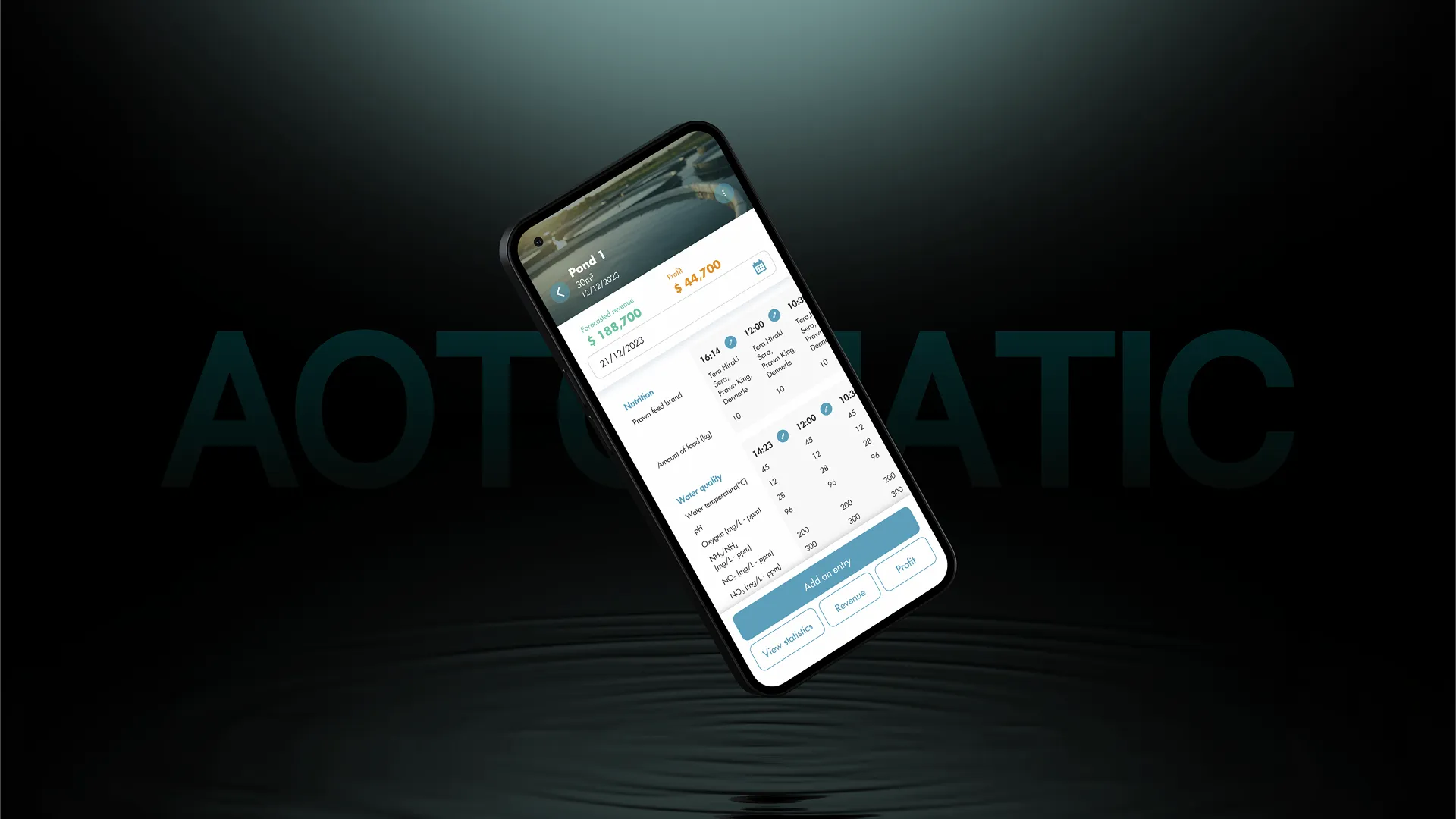
A UX case study on cutting a 16-step farm workflow down to 4 structured steps — without changing core business rules.
[01]IMPACT & SUMMARY_
16 STEPS DOWN TO 4. A 68% REDUCTION IN OPERATIONAL OVERHEAD.
STEP REDUCTION
Internal benchmark comparing the original 16-step flow with the new 4-step structure.
WORKFLOW REDESIGN
From fragmented inputs to one guided task flow.
STEP REDUCTION
Internal benchmark comparing the original 16-step flow with the new 4-step structure.
WORKFLOW REDESIGN
From fragmented inputs to one guided task flow.
By restructuring the application's core data-entry sequence, we delivered a scalable system that prioritized operational efficiency and data integrity over superficial visual enhancements.
The interface wasn't broken because it looked bad. It was broken because it was designed around the database structure — not around how people actually work.
Executive Summary
[02]Workflow Broke Operations_
Initial request: redesign the interface.
The interface wasn't broken because it looked bad. It was broken because it was designed around the database structure — not around how people actually work.
Real issue: farmers had to complete 16 disconnected decisions for one routine task.
Result: delayed data entry, lower reliability, and high cognitive load.
[03]DISCOVERY & CONSTRAINTS_
Pragmatic Research Approach
Mapped the existing 16-step legacy system to identify cognitive bottlenecks and redundant data entries.
Collaborated directly with client SMEs (Subject Matter Experts) to extract and map the absolute non-negotiable business rules.
Pressure-tested low-fidelity flows with our internal engineering team to guarantee technical feasibility before client handoff.
Pragmatic Research Approach
Mapped the existing 16-step legacy system to identify cognitive bottlenecks and redundant data entries.
Collaborated directly with client SMEs (Subject Matter Experts) to extract and map the absolute non-negotiable business rules.
Pressure-tested low-fidelity flows with our internal engineering team to guarantee technical feasibility before client handoff.
[04]THE SOLUTION_
Field-Ready System Design
STRATEGIC DECISIONS
Redesigned the end-to-end journey around task-based phases instead of fragmented inputs.
Scaled tap targets and maximized contrast for outdoor glare and one-handed operation.
Created reusable patterns to support consistency and future expansion.
Integrated complex business validation rules without blocking the primary user journey.
STRATEGIC DECISIONS
Redesigned the end-to-end journey around task-based phases instead of fragmented inputs.
Scaled tap targets and maximized contrast for outdoor glare and one-handed operation.
Created reusable patterns to support consistency and future expansion.
Integrated complex business validation rules without blocking the primary user journey.
[05]Reflection_
Flow Dictates Form: Visual polish is irrelevant if the underlying structural workflow is flawed.
Constraints Drive Clarity: Navigating strict backend rules forced a leaner, more intentional user experience.
Systems Scale: A cohesive, reusable design architecture outlasts isolated screen improvements.
What I’d Do Differently: Next time, I’d validate the 4-step model with real operators earlier, not only internal walkthroughs.